My Health. My Rights.
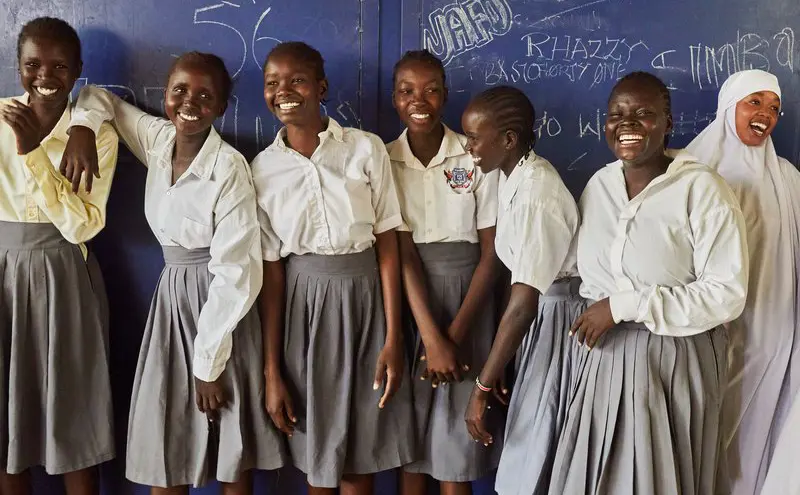
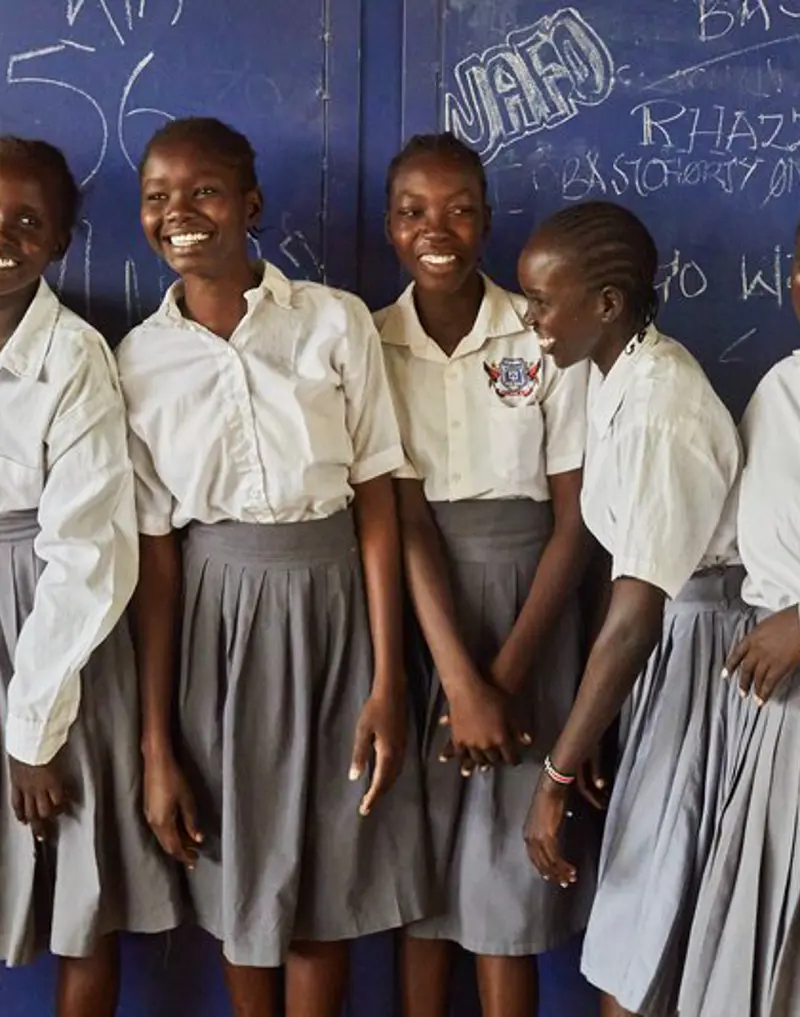
My Health. My Rights. contributes to strengthened public and community health systems in six West African countries providing adolescents, especially girls, with quality sexuality education and adolescent responsive information and services on Sexual and Reproductive Health and Rights in an enabling, empowering, and safe environment.
The six West African countries in which the programme is being implemented (Benin, Burkina Faso, Guinea, Guinea-Bissau, Sierra Leona and Togo), are among the countries where adolescents’ Sexual and Reproductive Health and Rights are furthest from being realized strongly impacting their lives, particularly those of girls and young women. Adolescents in the six programme countries have limited knowledge about sexuality and their sexual and reproductive health and rights, because talking about sexuality is taboo in their societies. Health services are often inaccessible to adolescents or do not offer services that meet their needs. The prevailing social norms around gender and sexuality stigmatise adolescent pre-marital sexual activity, particularly for girls. As a result of these factors, adolescents become sexually active at an early age, often without using protection, and many girls get married or live in union before the age of 18. This leads to high levels of unwanted pregnancy among adolescent girls, involving significant health risks for both mother and child and negatively affecting the girls’ education and prospects for economic autonomy, which contribute to the continuation of the cycle of poverty. It also contributes to high levels of gender-based and intimate partner violence, high prevalence of sexually transmitted diseases and a lack of general and sexual well-being.
To address this situation the project works to establish and improve the systematic provision of Comprehensive Sexuality Education (CSE) both as part of formal education but also out of school, working with policy makers and authorities in education and health to ensure that CSE curricula and teaching methods meet international standards. In addition, it works with parents and community members on shifting harmful social norms and building skills and understanding among community members to increase adolescents’ access to information on and support in matters relating to sexuality. Finally, the project works with health authorities to make SRH services more responsive to adolescents’ needs, through involving adolescents in service quality monitoring and building the skills of health workers to reduce the bias with which many of them treat adolescent clients seeking SRH services.
Adapted to the context of each of the six countries the project conducts:
- Improvement of CSE policies and curricula based on detailed assessments of the existing
- Skill building for teachers and facilitators of informal CSE and equipping them with quality CSE teaching & learning materials
- Building a supportive environment for CSE by working with parents, caregivers and other adult gatekeepers at community level to address harmful social and gender norms around sexuality
- Capacitating health care workers on quality adolescent and gender responsive SRH services
- Influencing related policies and
- Facilitating the meaningful engagement of adolescents in these processes
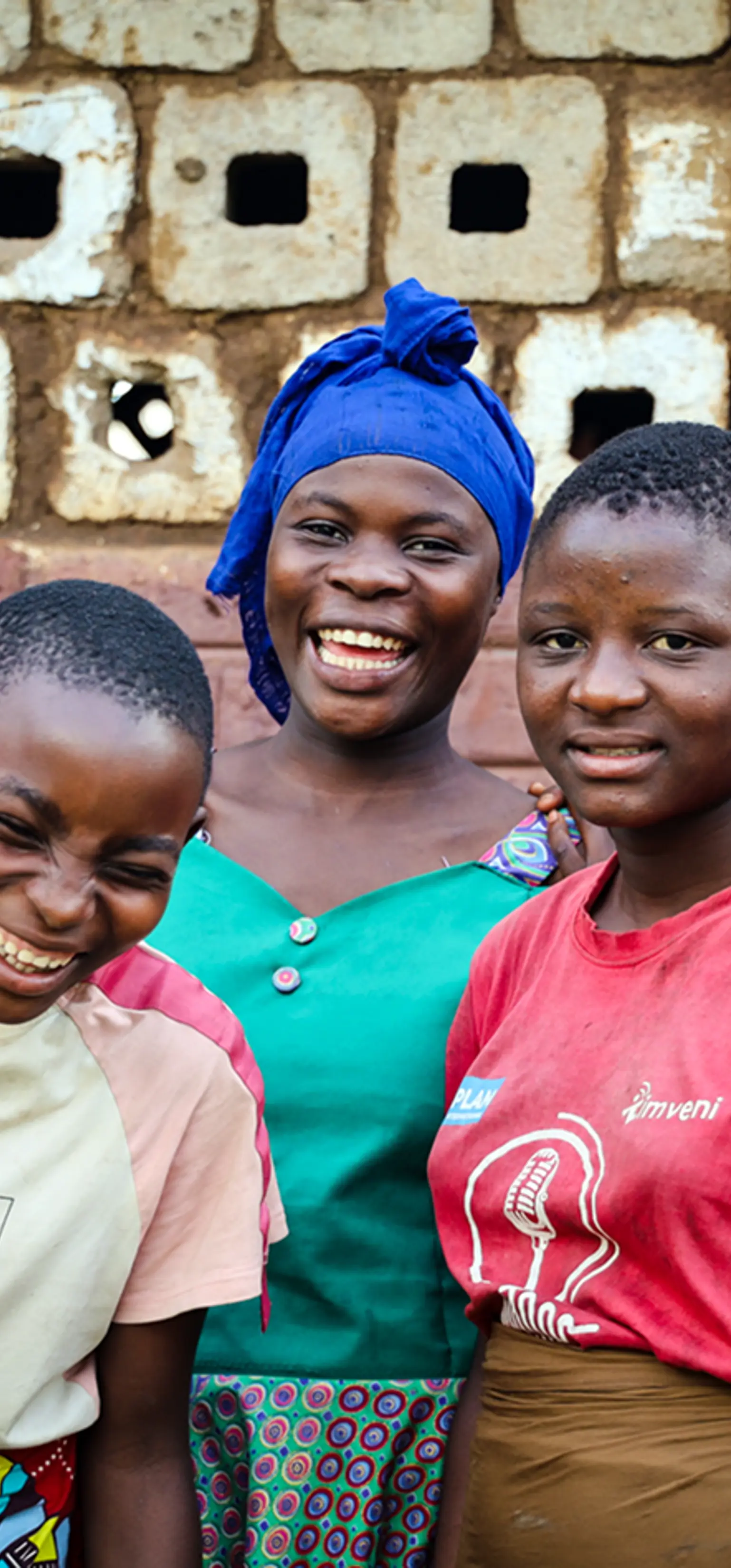
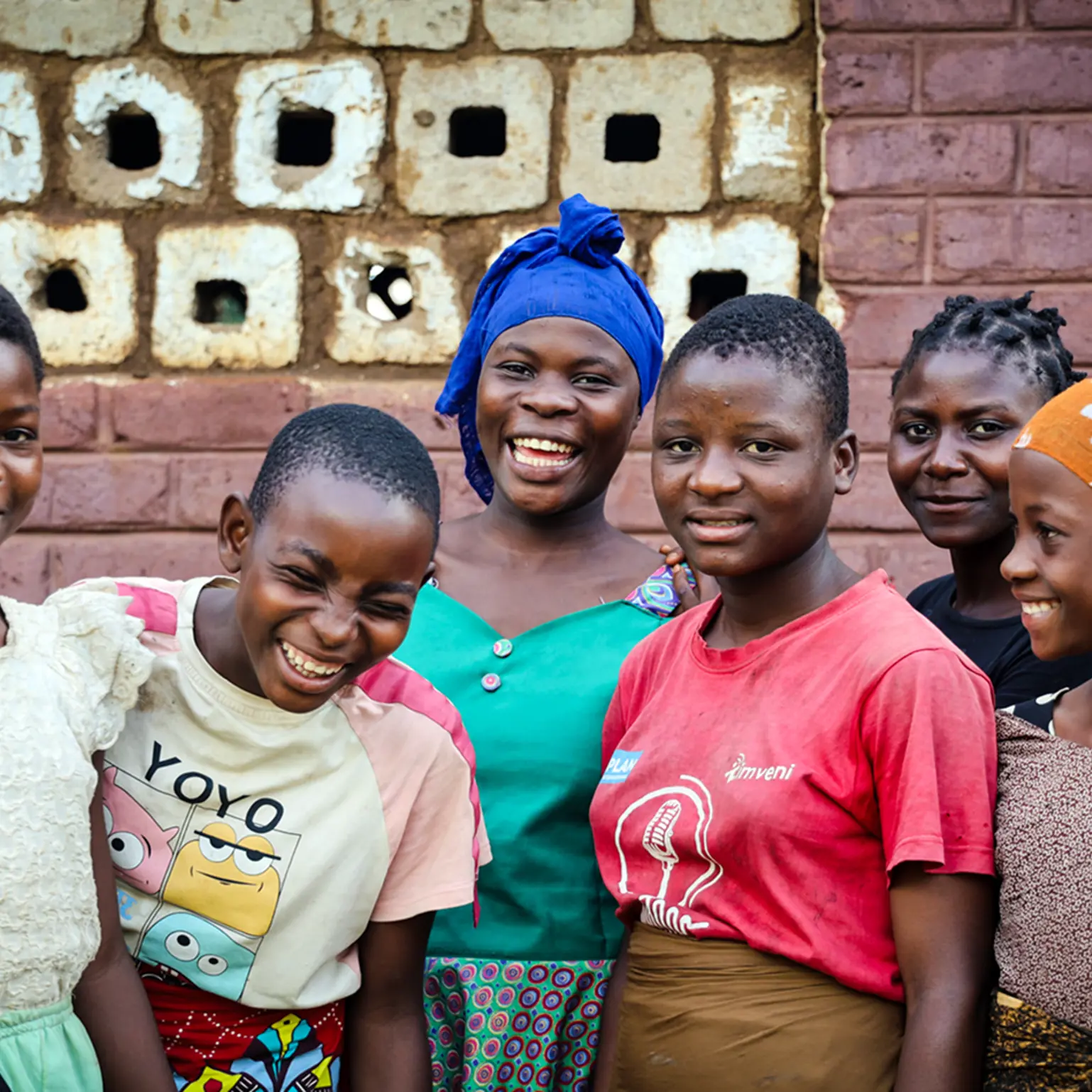
Running from June 2022 to December 2025, the programme is expected to reach at least half a million adolescents aged 10-19, 60 % of whom girls, across Benin, Burkina Faso, Guinea, Guinea-Bissau, Sierra Leone and Togo.
In addition, 200,000 parents/caregivers and other community members, 1,500 teachers and 2,000 peer educators as well as 600 health staff are directly participating in the programme.
My Health. My Rights. is part of Plan International’s global programme framework to promote access to Comprehensive Sexuality Education for children, adolescents and young people in all their diversity. Find out more.
My Health. My Rights. is coordinated by Plan International Denmark, in partnership with Plan Ireland, Plan UK as well as Plan International Country Offices, and implemented with FADeC, ASAFF, AFASCO, ADPP, SLaDA, La Colombe and FEMNET.
This programme is co-funded by the European Union. Content of this website is the sole responsibility of Plan International and does not necessarily reflect the positions of the European Union.
For more information, please contact Julia Lehmann, Senior Manager SRHR & Gender Transformative Programming